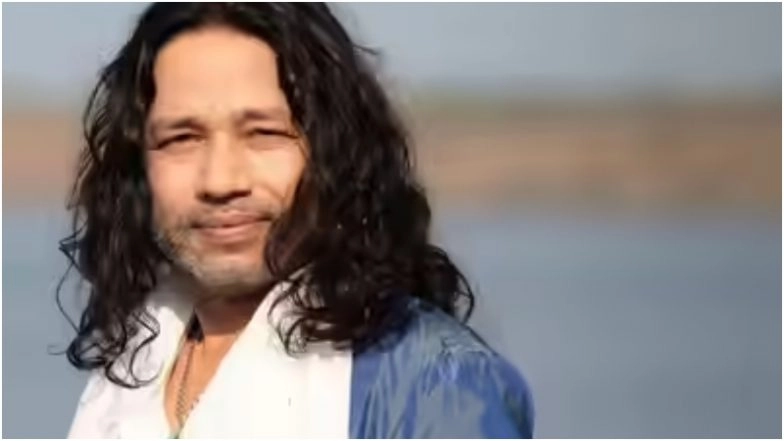
It started with a simple request: “Just two lines.” At a packed cultural event in Delhi, an audience member called out to Kailash Kher, asking him to perform a snippet of his legendary hit Teri Deewani. What happened next wasn’t just a refusal—it was a statement.
Kher, without hesitation, declined. Not with arrogance, not with rudeness, but with a quiet firmness that carried more weight than any dramatic outburst. “Yeh request hi mat kijiye,” he said—don’t even make this request. The moment, caught on camera, quickly went viral, igniting debates across social media: What’s wrong with asking a singer to sing two lines? Why did he say no? And what does this say about how we treat artists?
This wasn’t just about etiquette. It was about respect, professionalism, and the invisible labor behind live performances.
The Moment That Went Viral
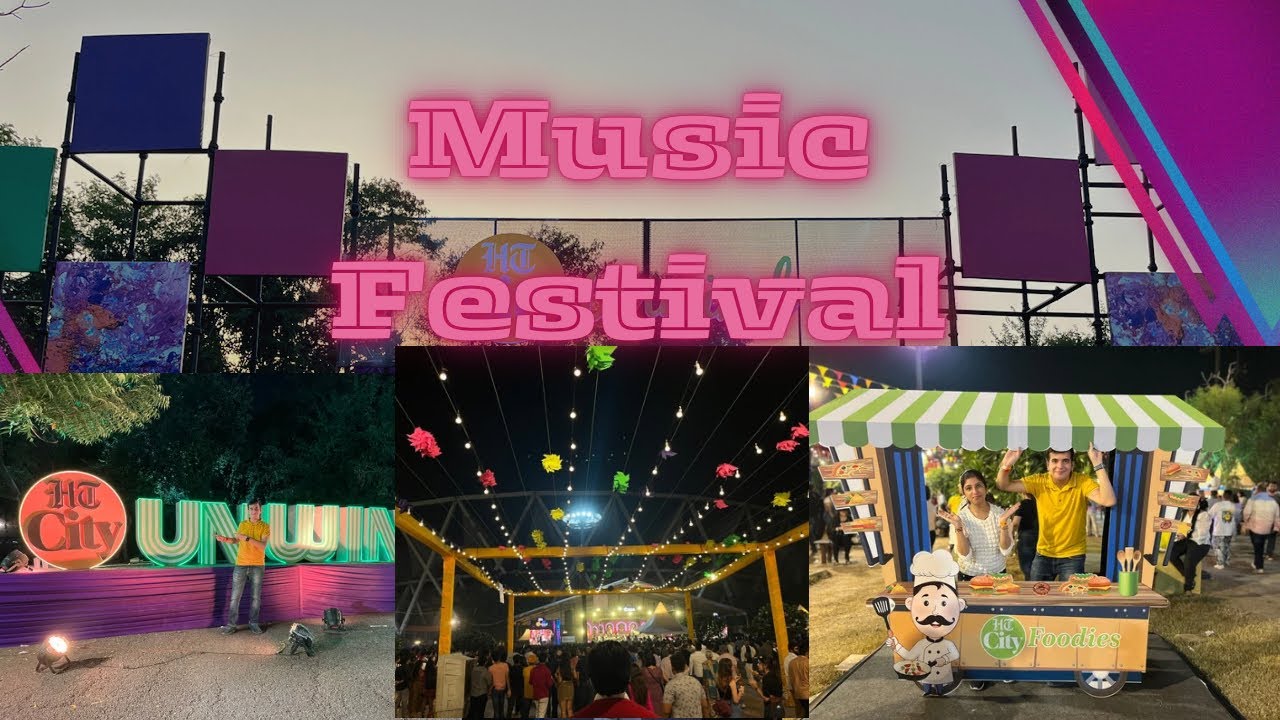
The incident occurred during a cultural gathering at a prestigious Delhi university. Kailash Kher was present as a guest speaker, invited to share his journey in Indian music. Midway through his talk, an enthusiastic student stood up and asked if he could sing just two lines of Teri Deewani—“for the memories.”
Kher paused. Then came the now-famous reply: “Yeh request hi mat kijiye.” He continued, “When you invite an artist to speak, let him speak. When you invite him to perform, let him perform. Don’t reduce art to a party trick.”
The audience fell silent. Some clapped. Others looked uncomfortable. Cameras rolled. Within hours, clips of the exchange were shared thousands of times, praised by artists, dissected by commentators, and criticized by those who saw it as “being too serious.”
But Kher wasn’t being serious—he was being clear.
Why “Just Two Lines” Is Never Just Two Lines
On the surface, the request seems harmless. Two lines. A few seconds. A small favor. But for professional musicians, such requests are anything but trivial.
Here’s why:
- Art is not karaoke: Singing is not flipping a switch. It requires vocal warm-up, emotional preparation, and physical readiness. Jumping into a song cold risks strain or poor delivery.
- Context matters: Kher wasn’t there as a performer. He was a speaker—sharing insights, experiences, and wisdom. To pivot from dialogue to song disrupts the tone and purpose of the event.
- The “just one song” trap: Once one person asks for two lines, ten others follow. It opens the door to entitlement—“If he sang for her, why not me?” The artist becomes a jukebox, not a guest.
- Devaluation of craft: Reducing a decades-long career to a 10-second clip flattens the artistry. It suggests that the music exists only for instant consumption, not contemplation.
Kher’s refusal wasn’t ego. It was boundary-setting.
Audience Expectations vs. Artist Dignity
Live events often blur the lines between performer and performer-as-entertainer. Audiences expect accessibility, but sometimes cross into overreach. The Delhi incident highlights a growing tension: the public’s desire for spontaneity versus the artist’s right to control their craft.
Consider these real-world parallels:
- A writer attending a literature panel is asked to recite a poem on the spot.
- A painter at an exhibition is told, “Just sketch something small for my Instagram.”
- A classical dancer at a seminar is interrupted: “Can you do two moves from Thumri?”
These aren’t unreasonable as standalone requests. But they ignore context, preparation, and the fact that artists are not human vending machines.
Kher’s response resonated because it challenged a culture of casual entitlement. His “no” was polite but unapologetic—a rare stance in an age where artists are often pressured to be endlessly available.
The Bigger Picture: Respect in the Age of Instant Gratification
We live in a culture of immediacy. TikTok clips. Instagram Lives. YouTube shorts. Everything is compressed, repackaged, and delivered instantly. In this environment, depth is often sacrificed for speed.
The “just two lines” request is a symptom of this trend—where profound artistry is treated as disposable content. The goal isn’t to experience the music, but to capture it, share it, and move on.
Kailash Kher’s stance pushes back.
He’s not anti-fan. He’s not inaccessible. He regularly performs, interacts with audiences, and shares his music generously. But he also understands that presence—whether on stage or off—comes with intention.
When he sings Teri Deewani, it’s not because someone asked for two lines. It’s because the moment is right. The setup is right. The soul is ready.
That distinction matters.
How Artists Are Responding
Kher’s reaction didn’t happen in a vacuum. Other performers have echoed similar sentiments:
- Shankar Mahadevan once declined a request at a college fest, saying, “I don’t do auditions. I don’t do trials.”
- Rekha Bhardwaj walked off stage when an audience member shouted over her performance.
- Rajkumar Hirani, though a filmmaker, once shut down a request to “just narrate one scene” from 3 Idiots, saying, “Would you ask a chef to taste just one spoon of curry and walk away?”
These are not tantrums. They are assertions of dignity.
The arts thrive on intimacy, but intimacy requires mutual respect. And respect means understanding that a performance isn’t a favor—it’s a shared experience, built on preparation, emotion, and trust.
The Cultural Significance of “Yeh Request Hi Mat Kijiye”
Kailash Kher’s words have become more than a viral quote. They’ve turned into a cultural shorthand—a reminder that some boundaries are worth holding.
In Indian culture, artists have long occupied a complex space. Revered, yet often expected to perform on demand. Celebrated, yet rarely compensated fairly. Queried, but not consulted.
Kher’s refusal flips the script. It says: I am not here to fulfill your whims. I am here to share, to speak, to inspire—but on terms that honor what I do.
It’s a quiet revolution. No protest. No manifesto. Just one sentence, spoken calmly, that carries the weight of years of unseen labor.
And it’s resonating.
On Twitter, musicians praised Kher: “Thank you for saying what so many of us feel but don’t say.” On Reddit, students debated: “Should we expect artists to entertain us anytime, anywhere?” In music schools, teachers used the clip to discuss professional ethics with students.
The conversation has begun.
What This Means for Future Events
The Delhi incident should serve as a wake-up call for event organizers and audiences alike.
Here’s how to navigate such moments with respect:
- Define the role clearly: If an artist is speaking, treat them as a speaker. If they’re performing, structure the event around performance.
- Prepare the audience: Brief attendees on the format. Manage expectations early.
- Empower the artist: Let them decide when and if to sing. No surprise requests.
- Value the craft: Understand that singing isn’t casual. It’s trained, intentional, and emotional work.
And for audiences?
Ask yourself: Am I honoring the artist—or just using them for a viral moment?
A Stand That Speaks Volumes
Kailash Kher didn’t shout. He didn’t walk off. He didn’t insult the student. He simply said no—and in that no, he affirmed something vital: that art has value beyond instant consumption.
“Yeh request hi mat kijiye” isn’t a rejection of fans. It’s a plea for understanding.
In a world that demands everything instantly, Kher reminded us that some things—like music, like dignity, like presence—cannot be reduced to two lines.
And maybe, just maybe, that’s the most powerful performance of all.
FAQ
Why did Kailash Kher refuse to sing two lines? He declined because he was invited as a speaker, not a performer. He emphasized that art shouldn’t be reduced to casual, on-demand entertainment.
Was Kailash Kher rude in his response? No. His tone was calm and respectful. He didn’t mock or insult the audience—just set a firm, principled boundary.
Is it normal for artists to reject such requests? Yes, many professional artists avoid impromptu singing due to vocal strain, context mismatch, or professional boundaries.
Did the audience react negatively? Reactions were mixed. Some were surprised, others applauded his stance. The clip sparked widespread discussion online.
Can fans ever ask artists to sing live? Only in appropriate settings, like concerts or interactive sessions. Spontaneous requests at non-performance events are generally discouraged.
What song was he asked to sing? He was asked to sing two lines from Teri Deewani, one of his most iconic tracks.
Has Kailash Kher spoken about this incident publicly? As of now, he hasn’t issued a formal statement, but the video speaks to his consistent stance on artistic respect.
FAQ
What should you look for in Kailash Kher Refuses to Sing Two Lines at Delhi Event? Focus on relevance, practical value, and how well the solution matches real user intent.
Is Kailash Kher Refuses to Sing Two Lines at Delhi Event suitable for beginners? That depends on the workflow, but a clear step-by-step approach usually makes it easier to start.
How do you compare options around Kailash Kher Refuses to Sing Two Lines at Delhi Event? Compare features, trust signals, limitations, pricing, and ease of implementation.
What mistakes should you avoid? Avoid generic choices, weak validation, and decisions based only on marketing claims.
What is the next best step? Shortlist the most relevant options, validate them quickly, and refine from real-world results.