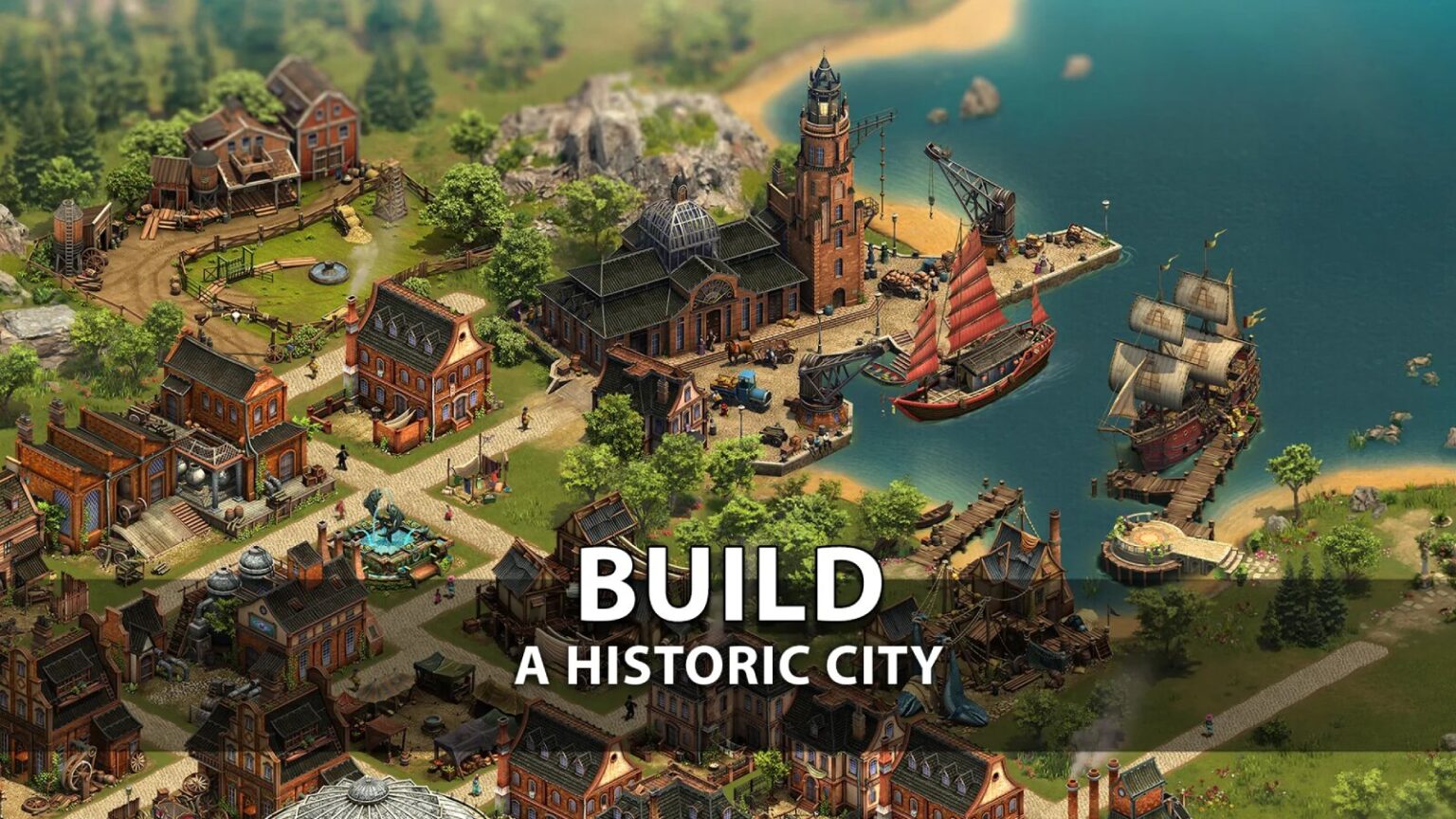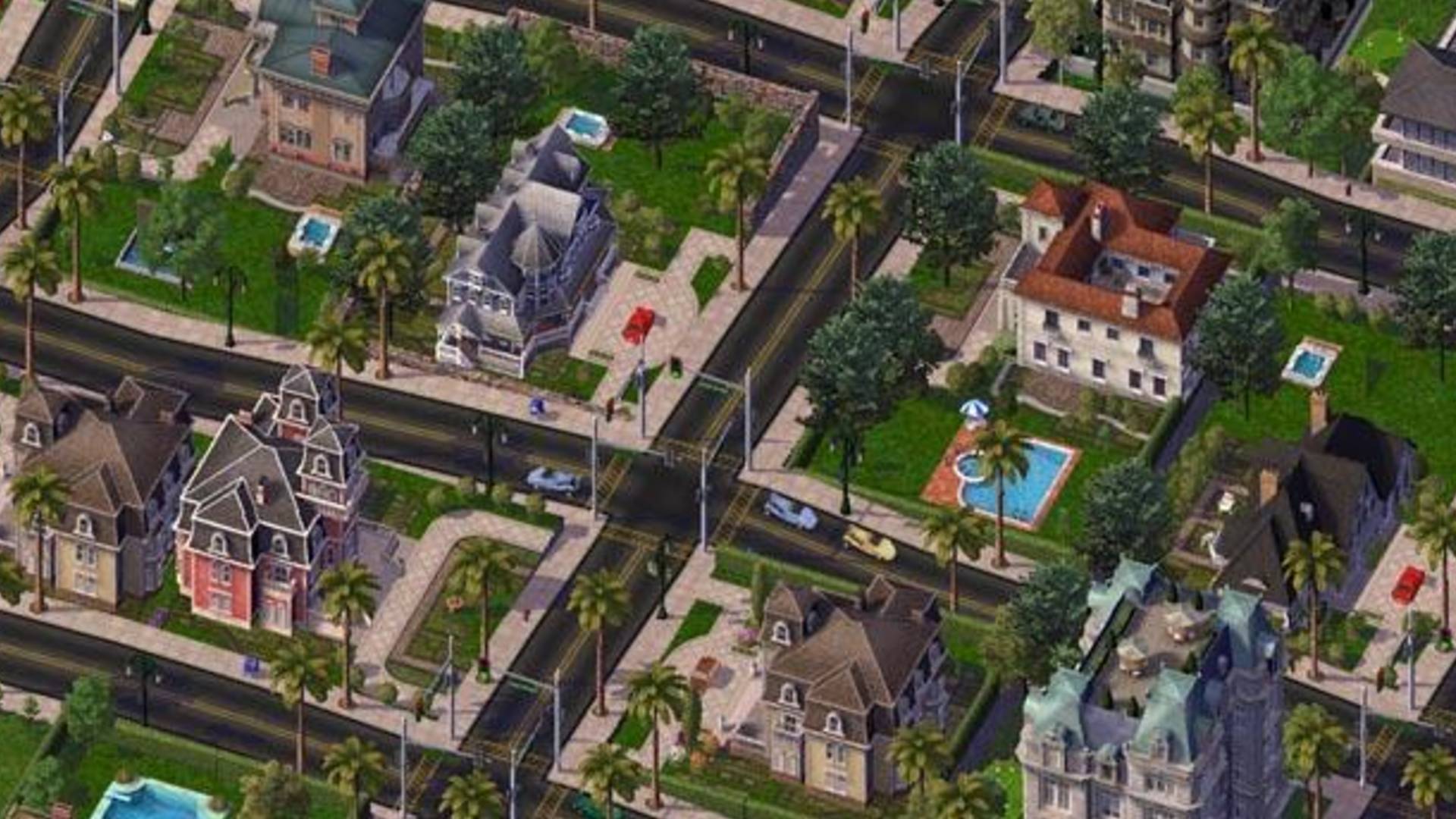
Most city building games promise control, creativity, and consequence. Few deliver all three in balance. Players don’t just want to plop down buildings and watch pixels grow—they want real strategy. They want supply chains that collapse if ignored, citizens with evolving demands, and crises that can’t be solved with a single click. The best strategy city building games force you to think like a planner, react like a mayor, and adapt like a general.
This isn’t about decoration. It’s about systems. The difference between a city that thrives and one that burns down often comes down to sewage routing, power grid redundancy, or trade route optimization. That depth is what separates shallow simulators from true strategic experiences.
Below are the standout titles that redefine what it means to build—and sustain—a city in the digital age.
What Defines a True Strategy City Building Game?
Not every game with zoning tools and a map counts as a strategy title. Many fall into the “relaxing sandbox” category—pleasant, but lacking tension or meaningful trade-offs. A true strategy city builder demands foresight, resource prioritization, and crisis management.
Key traits of strategic depth: - Long-term planning: Decisions made in year one impact decade ten. - Limited resources: You can’t build everything everywhere. - Dynamic challenges: Events like disasters, migration waves, or economic shifts. - Meaningful consequences: Poor infrastructure leads to disease, crime, or revolt.
For example, in Cities: Skylines, placing a landfill upwind from residential zones isn’t just a visual misstep—it triggers health penalties, lowers land value, and increases citizen complaints. That’s systemic strategy.
Cities: Skylines – The Modern Benchmark
Since its 2015 release, Cities: Skylines has become the gold standard for city simulation strategy. Developed by Colossal Order, it balances accessibility with deep urban systems.
Why It Stands Out:
- Traffic AI: Vehicles behave realistically, exposing poor road design instantly.
- Mod support: Thousands of mods expand functionality (e.g., realistic population density, advanced public transit).
- District tools: Fine-tune policies per neighborhood—essential for managing diverse city zones.
A common mistake new players make? Over-zoning residential areas early. Without jobs, schools, or healthcare, these zones remain empty or devolve into ghost towns. The game punishes impulsive expansion.
Tip: Start small. Focus on a balanced loop: jobs → citizens → tax income → services → growth.
While the sequel, Cities: Skylines II, launched with performance issues and missing features, the original remains the more polished experience for strategic play.
Surviving the End: Frostpunk and Post-Apocalyptic Strategy
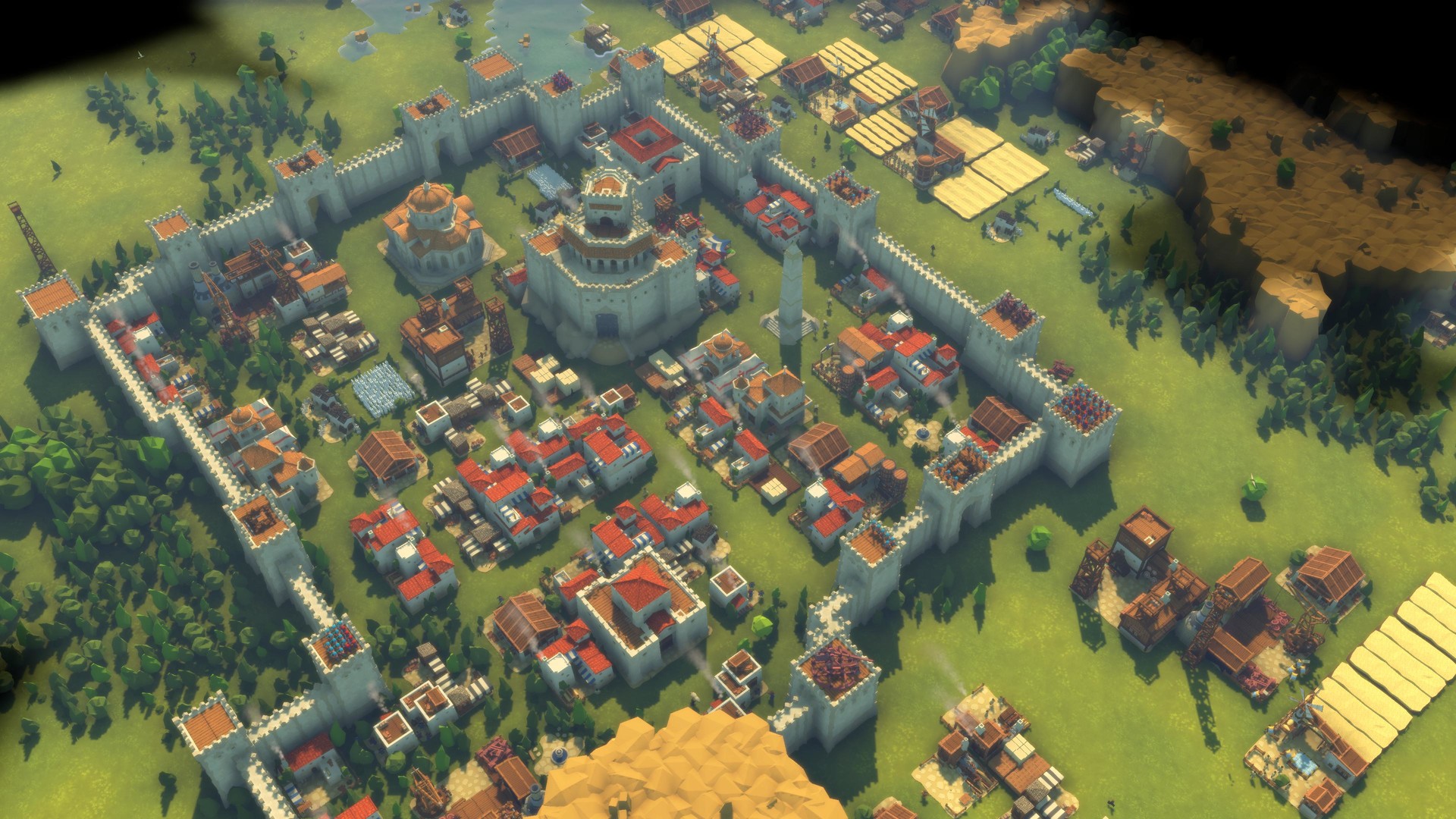
When the world freezes, urban survival becomes extreme strategy. Frostpunk by 11 bit studios shifts the genre into moral territory—every decision carries emotional weight.
Here, the city isn’t just infrastructure—it’s a life-support system.
Core Strategic Layers:
- Temperature management: The generator is your city’s heart. Lose heat, lose citizens.
- Lawmaking trade-offs: Enact child labor to boost output, or maintain ethics and risk collapse?
- Exploration risks: Scout teams can find supplies but may not return.
Unlike traditional city builders, Frostpunk ends in failure more often than success. That’s part of the design. You’re not building a utopia—you’re delaying extinction.
Example: Prioritizing food over housing might keep people fed today, but low morale tomorrow could trigger a revolt. There’s no perfect path—only calculated sacrifices.
Distant Worlds: Universe – Galactic-Scale City Strategy For players ready to scale beyond planets, Distant Worlds: Universe offers empire-level city (colony) management across star systems.
Each planet hosts multiple colonies, each requiring: - Atmospheric processing - Rare mineral extraction - Research outposts - Defense fleets
The game runs in real time over decades, with AI managing everything from trade routes to alien diplomacy. You set policies; the universe reacts.
Strategic Depth Highlights:
- Automated assistants: Let AI handle routine tasks, but override when crises hit.
- Tech tree dependencies: Unlocking advanced cities requires unlocking power sources first.
- Alien species needs: Not all races breathe oxygen—design colonies accordingly.
It’s less about aesthetics, more about macro-management. A colony failure due to oxygen leaks isn’t a bug—it’s a lesson in biological logistics.
Banished – Survival Through Simplicity
Banished strips away the spectacle. No power grids, no traffic AI—just people, weather, and food.
You manage a group of exiles building a village from scratch. Every citizen has a name, profession, and lifespan. Death isn’t abstract—it’s personal.
Key Mechanics:
- Seasonal farming: Plant in spring, harvest in fall. Winter starvation is real.
- Skill progression: A child apprentice becomes a master builder over years.
- No military focus: Survival depends on sustainability, not conquest.
One critical oversight? Failing to diversify food sources. Relying solely on farms leaves you vulnerable to crop blight. Savvy players mix hunting, foraging, and fishing.
The lack of combat forces a different kind of strategy: long-term resiliency over short-term gain.
Anno Series – Trade, Production, and Politics
The Anno franchise, especially Anno 1800 and Anno 2207, blends city building with intricate production chains and economic warfare.
Your city’s success depends on: - Tiered citizen needs (from basic food to luxury goods) - Global supply chains across multiple islands - Diplomacy and espionage with rival factions
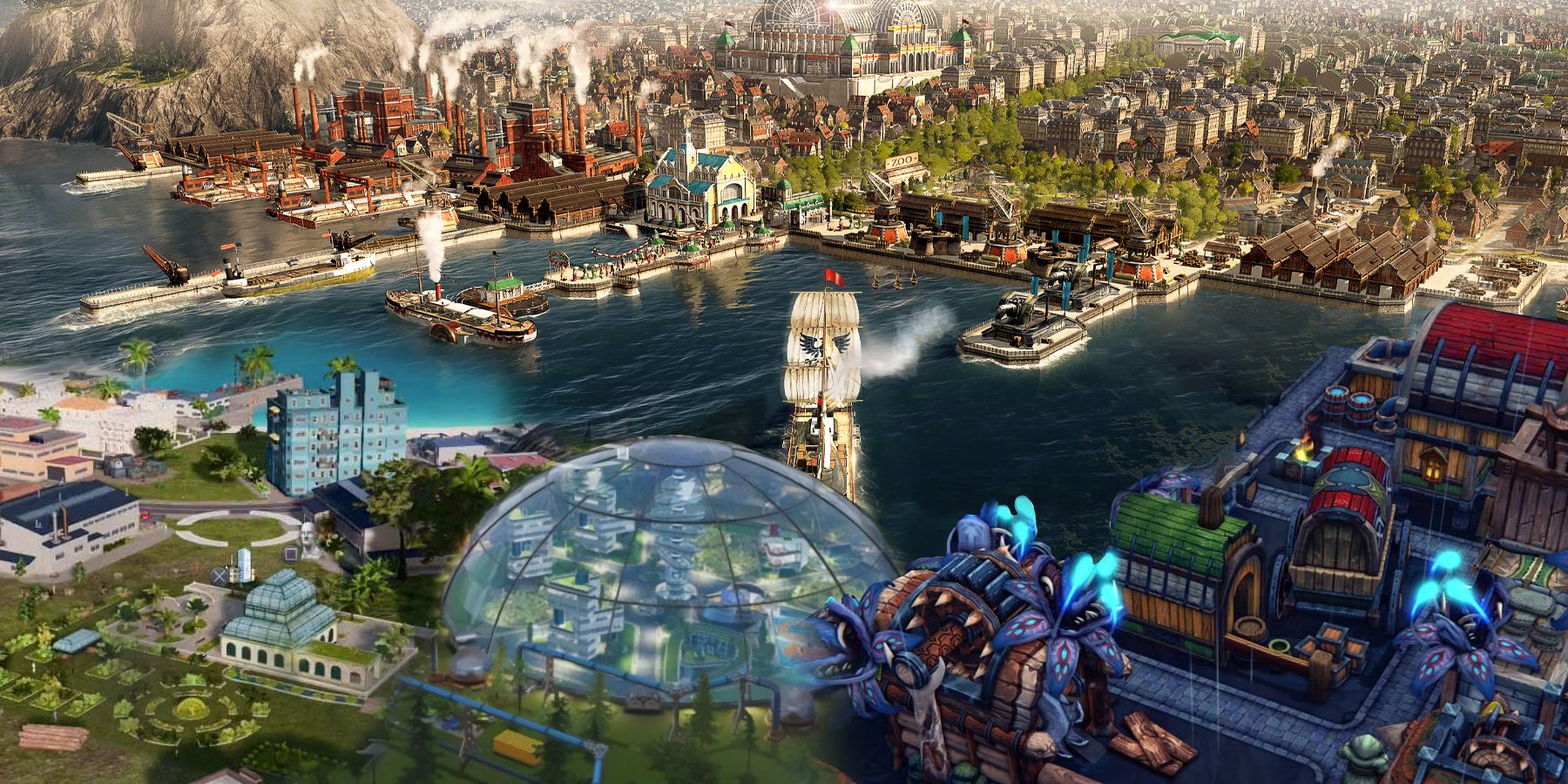
Strategic Example: To satisfy upper-class citizens, you might need: Wheat → Flour → Bread → Bakery → Distribution Each step requires buildings, workers, and transport.
Disrupt a competitor’s coal supply, and their factories shut down—giving your exports an edge. This blend of internal logistics and external pressure is rare in the genre.
Anno 1404 remains a fan favorite for its balanced economy and climate zones, proving that depth doesn’t require modern graphics.
Tropico – Dictatorship as Urban Strategy
In Tropico, you play “El Presidente,” ruling a Caribbean island nation through charm, corruption, or cruelty.
The twist? Success isn’t measured in efficiency—it’s measured in staying in power.
Strategic Pillars:
- Faction management: Keep military, religious, and intellectual groups appeased—or suppressed.
- Foreign relations: Please superpowers (U.S. or USSR) for aid, but risk domestic backlash.
- Economic diversity: Bananas earn cash, but arms manufacturing brings risk and reward.
Build a tourist resort to boost income, but if pollution rises, environmentalists protest. Use secret police to silence them, and intellectuals turn hostile.
It’s city building with satire—and consequence. There’s no “right” way to rule, only trade-offs.
Comparative Look: Choosing Your Challenge
| Game | Focus | Difficulty | Best For |
|---|---|---|---|
| Cities: Skylines | Urban planning, traffic | Medium | Realistic city simulation |
| Frostpunk | Survival, ethics | Hard | Crisis-driven strategy |
| Anno 1800 | Production chains | High | Economic depth |
| Banished | Resource scarcity | Medium-Hard | Minimalist survival |
| Tropico 6 | Political balance | Medium | Satirical governance |
No single game dominates. Your choice depends on what kind of strategist you are: the planner, the survivor, the trader, or the politician.
How to Improve at Strategy City Building Games Avoiding failure means understanding common pitfalls:
1. Ignoring bottlenecks A power plant fuels your city—until demand outpaces supply. Always build excess capacity.
2. Over-expansion Growing too fast drains funds. Keep debt below 20% of annual income.
3. Neglecting happiness High taxes or pollution trigger strikes. Monitor citizen feedback in real time.
4. Forgetting disaster prep In Frostpunk, have a “last resort” policy ready. In Skylines, zone hospitals near high-density areas.
5. Skipping mods and saves Use auto-save every 5 minutes. Install essential mods like “Realistic Population” or “Traffic Manager.”
Workflow tip: Play in 90-minute blocks. After each session, review performance metrics and adjust strategy.
Final Thoughts: Build Smart, Not Big
The best city builders don’t reward speed—they reward patience. They expose the illusion of control and teach systems thinking. Whether you’re heating a frozen city or ruling a banana republic, the core lesson is the same: every decision echoes.
Choose a game that challenges your assumptions. Start small. Fail early. Learn faster.
Your next city won’t be perfect—but it’ll be smarter.
FAQ
What is the most realistic city building game? Cities: Skylines is widely regarded as the most realistic due to its traffic AI, zoning logic, and mod support for real-world data integration.
Is Cities: Skylines 2 better than the original? As of now, no. The sequel suffers from performance issues and incomplete systems. The original remains more stable and feature-rich.
Which city builder has the best economy simulation? Anno 1800 offers the deepest economic model, with multi-tier production chains, import/export dynamics, and market pricing.
Can you play city building games on lower-end PCs? Yes. Banished and Tropico 6 (on low settings) run well on modest hardware. Avoid Cities: Skylines II if your system is underpowered.
Are there multiplayer city building games? Most are single-player. However, Anno 1800 includes competitive multiplayer modes with city management elements.
What’s the hardest city building game? Frostpunk is often considered the hardest due to unforgiving survival mechanics and moral dilemmas.
Do city builders help with real urban planning skills? Yes. Games like Skylines teach zoning, traffic flow, and infrastructure prioritization—concepts used by real planners.