The glitter, the choreography, the seamless harmonies—girl groups have long been a staple of pop culture. But behind the polished stage images, a deeper narrative is emerging. One singer, discovered by the mastermind behind the Pussycat Dolls, is now breaking her silence about the uncomfortable expectations placed on her body, particularly the underwear she was pressured to perform in. Her story isn’t just about costume choices—it’s a reflection of systemic issues in how young female performers are marketed and objectified.
This isn’t an isolated complaint. As pop culture reckons with the legacy of hypersexualized female acts, her testimony adds weight to a growing conversation about autonomy, image, and artistic integrity in the music industry.
From Discovery to Dissent: The Rise of a Pop Talent
Discovered at just 17 through a talent search linked to the Pussycat Dolls’ creative team, the singer—whose identity remains protected for privacy—was fast-tracked into a high-pressure training regimen. The Pussycat Dolls, known for their burlesque-inspired aesthetic and choreography-centric performances, set a precedent: image was as important as vocal ability.
Recruited for her strong vocals and stage presence, she was molded into a market-ready pop package. But from the beginning, the emphasis on appearance was undeniable. During early rehearsals, stylists presented a lineup of costumes—most of which were variations of lingerie, fishnets, and sheer mesh. The directive was clear: "Look hot, stay tight, sell tickets."
“I didn’t realize at the time how much that was part of the business model,” she said in a recent interview. “I thought I was being chosen for my voice. But really, I was being cast for a look they could control.”
The Underwear Mandate: Costume or Commodity?
The breaking point came during a pre-tour fitting. The group’s designated stage outfits consisted of high-cut briefs paired with cropped bustiers—essentially branded underwear. She was told the look was “on-brand” for the group’s image and consistent with their “provocative” market positioning.
“I was told to lose weight if the fit wasn’t perfect,” she recalled. “They brought in a tailor to adjust the waistband, like we were mannequins. I remember seeing the final look in the mirror and feeling exposed—not in a powerful way, but in a vulnerable one.”
This wasn’t empowerment through confidence. It was compliance through conditioning.
The expectation to perform in underwear-style attire is not new. The Pussycat Dolls themselves built an empire on the aesthetic, with performances often resembling strip club routines more than pop concerts. While the group achieved commercial success, critics long argued that their image prioritized male gaze appeal over musical substance.
Now, a new generation of performers is questioning whether that legacy should endure.
Industry Standards or Exploitation?
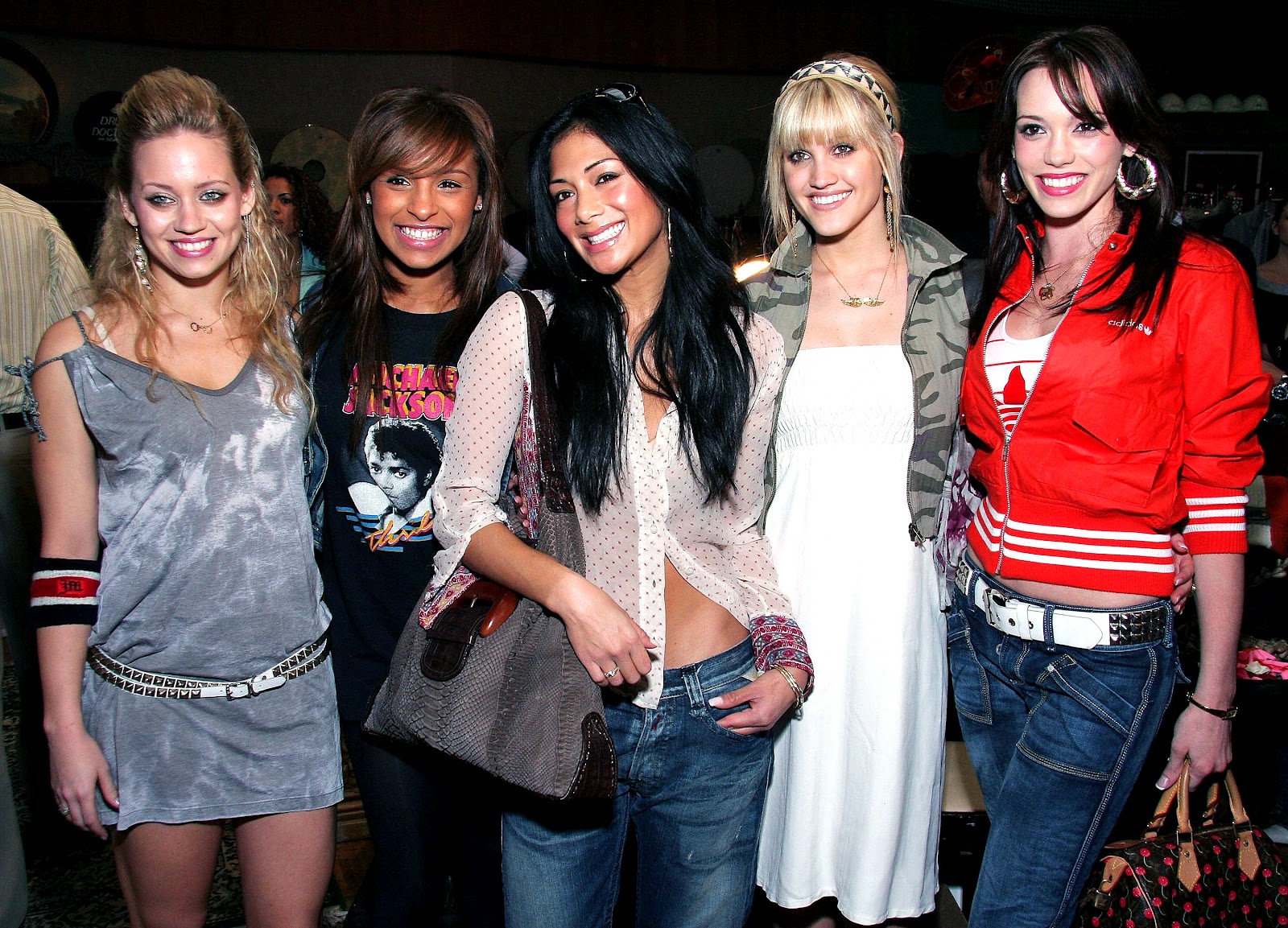
There’s a fine line between artistic expression and exploitation—especially when performers are young and under contract. In the case of girl groups formed under tight management control, image decisions are rarely collaborative.
The singer described daily weigh-ins, restricted diets, and choreography that emphasized body movement over vocal delivery. “We practiced hip rolls for hours,” she said. “But no one ever asked if we were comfortable with the clothes we were in.”
This pattern mirrors broader industry practices. Former members of groups like Danity Kane and Little Mix have spoken out about restrictive image guidelines, pressure to maintain certain body types, and costumes that prioritized sex appeal over stage functionality.
It’s not simply about comfort. Costumes that expose or constrain can impact a performer’s breath control, movement, and even safety during high-energy routines. Performing in flimsy underwear-style garments increases the risk of wardrobe malfunctions, distractions during live shows, and physical discomfort under hot stage lights.
The Power of Image in Pop Music
Pop music has always used image as a marketing tool. From The Supremes’ elegant gowns to Destiny’s Child’s coordinated ensembles, visual identity is part of the art. But the shift toward hypersexualization accelerated in the 2000s, with acts like the Pussycat Dolls, Rihanna’s early looks, and even Britney Spears’ controversial performances setting a new norm.
The problem isn’t sexiness itself—it’s the lack of choice. When performers are told their value is tied to how they look in underwear, rather than how they sing, move, or connect with an audience, the art becomes secondary.
“There’s nothing wrong with wearing something sexy if it’s your choice,” the singer emphasized. “But when it’s mandated, when it’s part of your contract, when you’re told you’ll be replaced if you say no—that’s not empowerment. That’s control.”
Artists like Doja Cat and Dua Lipa now blend confidence with control—owning their sexuality on their own terms. But for girl group members under corporate contracts, that autonomy is often absent.
A Shift in Industry Culture
The singer’s decision to speak out comes at a time of broader industry reckoning. #MeToo and Time’s Up have reached music, leading to increased scrutiny of power imbalances, grooming practices, and exploitative contracts.
Some management companies are responding. K-pop agencies, once criticized for extreme control over artists’ lives, are now implementing mental health days and image consultation panels that include performer input. In the U.S., newer girl groups like FLO and BNK48 emphasize talent and authenticity over overt sexuality.
Still, legacy acts and their creative teams often resist change. The Pussycat Dolls’ 2020 reunion tour was criticized for recycling the same provocative aesthetic, with little evolution in message or presentation. For many young performers, the pressure to conform remains.
Reclaiming Agency: What Performers Need
The singer now mentors young artists, advising them to ask tough questions before signing contracts:
- Who controls the image decisions?
- Can I have input on costumes and choreography?
- Are there limits on weight or appearance clauses?
- What happens if I disagree with a creative direction?
She also urges industry professionals to rethink how they develop girl groups. “Build us for longevity, not for one viral moment in a bikini. Invest in our voices, our songwriting, our stories.”
Practical steps for reform include: - Contractual clauses guaranteeing performer input on image - Independent wellness checks during touring cycles - Transparent casting processes that prioritize skill over appearance - Costume design that supports performance, not just visuals
The Cost of Silence For years, the singer stayed quiet, fearing blacklisting or public ridicule. “You hear stories of girls who speak up and then disappear. No more tours, no more features. It’s career suicide.”
But silence, she realized, only perpetuates the cycle. By speaking out, she hopes others will feel less alone—and more empowered to push back.
Her story reflects a wider truth: behind every sequined outfit and synchronized dance move, there are real people with boundaries, voices, and rights. The music industry’s future depends on respecting them.
Moving Forward: Performance
With Dignity
The goal isn’t to erase glamour from pop music. It’s to ensure it’s not the only currency female performers are valued for.
Imagine a girl group celebrated for their harmonies, stage presence, and songwriting—not just their waistlines. Outfits chosen for confidence, not compliance. Choreography that tells a story, not just sells a look.
That future is possible—but only if creators, managers, and audiences demand better.
For performers, the message is clear: your voice is more than your body. For the industry: talent deserves more than tokenism. And for fans: support artists who are allowed to be more than costumes.
It’s time to stop dressing girl groups for approval—and start dressing them for respect.
FAQ
Who discovered the girl group singer? She was discovered through a talent initiative connected to the creative team behind the Pussycat Dolls.
Why did she speak out about her performance wear? She felt pressured to wear revealing underwear-style costumes that made her uncomfortable and was speaking out about lack of autonomy in image decisions.
Were other group members affected? Yes—she indicated that most members faced similar pressure, though not all felt able or willing to challenge it.
Is wearing provocative clothing always exploitative? Not if it’s a personal, consensual choice. The issue arises when it’s mandated and tied to job security.
What changes does she advocate for? Greater performer input on costumes, elimination of restrictive appearance clauses, and a shift toward valuing musical talent over sexualized image.
Has the Pussycat Dolls’ creator responded? As of now, there has been no public response from the creator or management team.
Can performers legally challenge costume requirements? It depends on contract terms. Some appearance clauses are enforceable, but growing awareness may lead to legal and union-backed reforms.
FAQ
What should you look for in Girl Group Singer Slams Underwear Performance Pressure? Focus on relevance, practical value, and how well the solution matches real user intent.
Is Girl Group Singer Slams Underwear Performance Pressure suitable for beginners? That depends on the workflow, but a clear step-by-step approach usually makes it easier to start.
How do you compare options around Girl Group Singer Slams Underwear Performance Pressure? Compare features, trust signals, limitations, pricing, and ease of implementation.
What mistakes should you avoid? Avoid generic choices, weak validation, and decisions based only on marketing claims.
What is the next best step? Shortlist the most relevant options, validate them quickly, and refine from real-world results.